
JT15D Hot Section Inspection
Your Pratt & Whitney JT15D engine endures extreme thermal stress every flight, and the hot section is where that stress hits hardest. A properly executed JT15D hot section inspection (HSI) catches early-stage wear, restores performance, and keeps your aircraft on schedule. At Hale Aircraft, we specialize exclusively in the JT15D platform and perform every step of HSI in-house, including diagnostics, NDT, machining, welding, and final test cell verification.
Every JT15D hot section inspection we complete ends with a run in our correlated test cell, the only JT15D test cell in the Southeastern United States, and is backed by more than 30 years of JT15D work under FAA Part 145 Repair Station #41ER737D.
What Is a JT15D Hot Section Inspection?
A hot section inspection is a structured evaluation of the high-temperature areas of your JT15D engine: combustion liner, turbine blades, vanes, fuel nozzles, and surrounding components. These parts operate at temperatures and pressures that gradually degrade material integrity, even under normal operating conditions.
The HSI exists to detect that degradation before it becomes a performance issue, an unscheduled removal, or a safety event. Done well, an HSI extends the life of your engine and prevents the much larger cost of catastrophic hot-section failure.

When Is A JT15D Hot Section Inspection Required?
Pratt & Whitney specifies HSI intervals for each JT15D variant based on operating hours, cycles and calendar time. Most operators schedule a JT15D hot section inspection at the manufacturer’s recommended mid-life interval, but real-world factors can move that timing earlier:
- Reaching the manufacturer-recommended hour or cycle interval
- Borescope findings indicating accelerated wear, cracking or coating loss
- Performance trend monitoring showing EGT margin loss or fuel flow drift
- Hot start, overtemp or other operational events
- A service bulletin or airworthiness directive that applies to the hot section
If you are uncertain whether your engine is due, our team can review your engine logs, recent JT15D borescope inspection reports and trend data to recommend the right course of action.
Planning the inspection before the interval arrives also leaves time to order long-lead hot section parts, so the engine is not waiting on the shelf once the findings are in.
Hot section work is one part of our full JT15D engine services.
Our 6-Step JT15D Hot Section Inspection Process
Every JT15D HSI at Hale Aircraft follows the same documented sequence, so you always know where your engine is and what happens next.
Step 1
Records And Trend Review
We read the logbooks, trend data and any earlier borescope images first, so the hot section inspection targets known concerns from the start.
Step 2
Hot Section Removal And Cleaning
Combustion and turbine components come off in a controlled area, each one tagged and cleaned by a method suited to its material and coating.
Step 3
Measurement And NDT
Blades, vanes and the liner are measured and checked with fluorescent penetrant, magnetic particle and visual inspection by NAS-410 / SNT-TC-1A certified technicians.
Step 4
Findings Report And Your Decision
You receive photos and measurements against published limits, plus the repair options for anything outside them, before any rework starts.
Step 5
Hot Section Repair And Rebuild
Approved repairs are made in our own machining and welding shop, replacement parts are fitted where needed, and the hot section is rebuilt with every torque and part number recorded.
Step 6
Test Cell Run
The engine runs in our correlated JT15D test cell so temperatures, pressures and vibration are confirmed under load before it goes back on the aircraft.
Why Operators Choose Hale Aircraft For JT15D HSI
- JT15D focus. Our technicians work on the JT15D every day, which makes early wear easier to recognize.
- Everything in one building. NDT, machining, welding, component repair and test cell, with less shipping and fewer schedules to coordinate.
- Verified under load. Every HSI ends in the only JT15D test cell in the Southeast.
- Clear communication. Direct access to the technician on your engine throughout the inspection.
All work is performed under our FAA Part 145 repair station certificate #41ER737D. When the findings point to a full rebuild instead, see our JT15D engine overhaul service.
JT15D Hot Section Components We Inspect
A JT15D hot section inspection covers the parts that see the highest temperatures in the engine. Knowing what each one does makes the findings report easier to read:
- Combustion liner. Contains the flame. We look for cracking, burning and distortion around the cooling holes.
- Fuel nozzles. Shape the spray that feeds the combustor. A poor pattern creates hot streaks that damage everything downstream.
- High pressure turbine blades and vanes. The hardest-working parts in the engine, checked for erosion, coating loss and cracks.
- Low pressure turbine. Inspected for heat damage and tip wear.
- Seals, cases and hardware. Checked for heat distortion and wear that can open clearances and cost efficiency.
Your findings report lists each component with its condition and the published limit it was measured against. Keep it with your logbooks: it lets you compare this JT15D hot section inspection with the next one and spot trends early, and it is the record a buyer or lender will ask to see when the aircraft changes hands.
Schedule Your JT15D Hot Section Inspection
If your JT15D is approaching its HSI interval, showing performance trend changes, or has experienced an event that warrants inspection, contact Hale Aircraft. Our team will review your situation, recommend the appropriate scope, and provide a clear estimate before any work begins.
FAQ
How long does a JT15D hot section inspection take?
Turnaround depends on findings. A clean HSI with no significant repair work typically completes in days, not weeks. Inspections that require component repair, machining, or replacement parts take longer, but staying in-house at Hale Aircraft eliminates the multi-week delays caused by shipping work to third-party vendors.
How much does a JT15D HSI cost?
Cost depends entirely on what we find. A baseline inspection with serviceable components is the lowest-cost outcome. Repair or replacement of hot section parts adds to the total. We provide a detailed estimate after initial inspection so you can make an informed decision before any rework begins.
What is the difference between an HSI and a full engine overhaul?
An HSI focuses on the high-temperature section of the engine, the combustion and turbine components. An overhaul is a complete teardown of the entire engine, including cold section components. HSI is typically scheduled mid-life; overhaul comes at end-of-life or after major events. Hale Aircraft performs both.
Do I need to ship my engine to Hampton, GA, or can you come to me?
Hot section inspections that require disassembly are performed at our Hampton, GA facility (KHMP). Initial diagnostic borescope inspections can be coordinated at your location. Contact our team to discuss logistics for your situation.
Is test cell verification required after every HSI?
Test cell verification is the standard at Hale Aircraft because it is the only way to confirm full performance and reliability under load before return to service. Operators who choose providers without test cell capability accept the risk of issues only discovered after the engine is reinstalled.
What documentation do I receive after a JT15D HSI?
You receive complete documentation, including inspection findings, repair records, parts traceability, NDT reports, test cell performance data, and all required FAA and OEM compliance records, everything needed for your engine logbook and any future audit or sale.
JT15D Engine Services
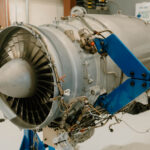
Hot Section Inspections and Component Repair
Learn More
JT15D Engine Overhaul and Repair Services
Learn More
Comprehensive JT15D Engine Diagnostics and Inspections
Learn More
JT15D Engine Testing and Performance Verification
Learn More
Routine JT15D Maintenance Services
Learn More